Website Development
Published 9 min readShopify, WooCommerce or a custom build: choosing a platform for a UK online store
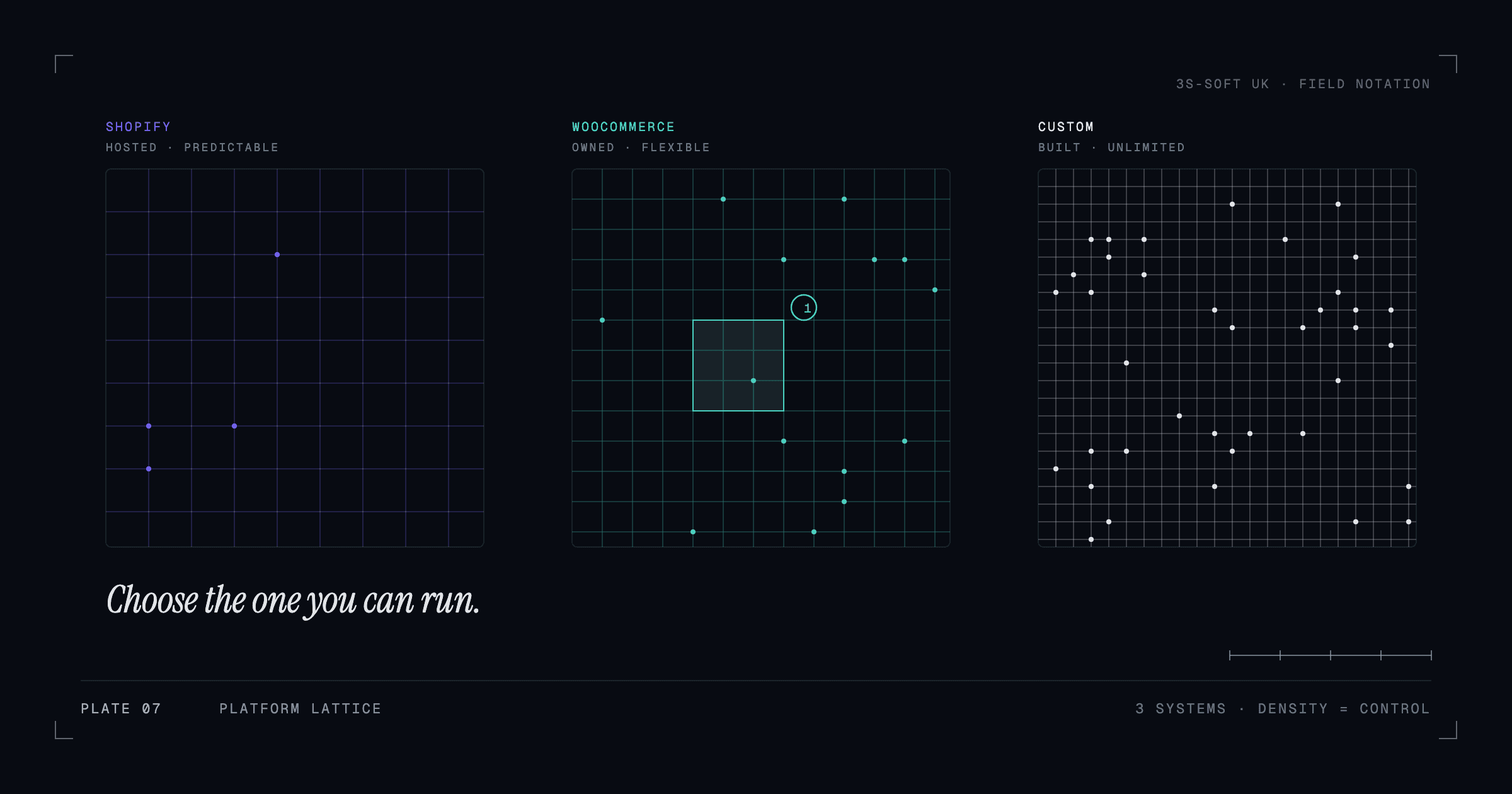
For most UK small and mid-sized stores the choice is between Shopify, which trades control for simplicity and predictable costs, and WooCommerce, which trades simplicity for ownership and flexibility. A custom build on Next.js or a headless setup makes sense only when the product, catalogue or integrations need something the platforms cannot do well. Here is how to decide without a sales pitch.
The short version
| Shopify | WooCommerce | Custom / headless | |
|---|---|---|---|
| Best for | Most product businesses that want to sell, not run servers | Content-rich stores, unusual catalogues, teams who want to own everything | Products or experiences the platforms cannot model; very high performance needs |
| Hosting and updates | Included | You (or your agency) manage hosting, updates, backups | You own the stack end to end |
| Monthly cost shape | Subscription plus apps and payment fees | Hosting plus plugins; no platform fee | Hosting plus development time |
| Catalogue flexibility | Good; options and metafields | Very flexible; anything can be modelled | Unlimited |
| Integrations | Large app store | Large plugin ecosystem; custom code easy | Built to order |
| Who edits it | Non-technical staff | Non-technical staff, with a well-built theme | Depends on the CMS chosen |
When Shopify is the right call
Shopify is hosted, so updates, security, scaling and checkout are handled for you. The admin is approachable, the app store covers most needs, and the checkout is well tested. It suits businesses that want to spend their time on products and marketing rather than the website. The trade-offs are a monthly fee, transaction costs if you do not use Shopify Payments, limits on how far the checkout and data model can be customised, and reliance on apps, each with its own fee, for anything beyond the core.
- Choose it when: you sell physical products with standard options, want predictable costs and have no in-house technical team.
- Think twice when: you need unusual pricing logic, complex B2B rules, or deep control over checkout.
When WooCommerce is the right call
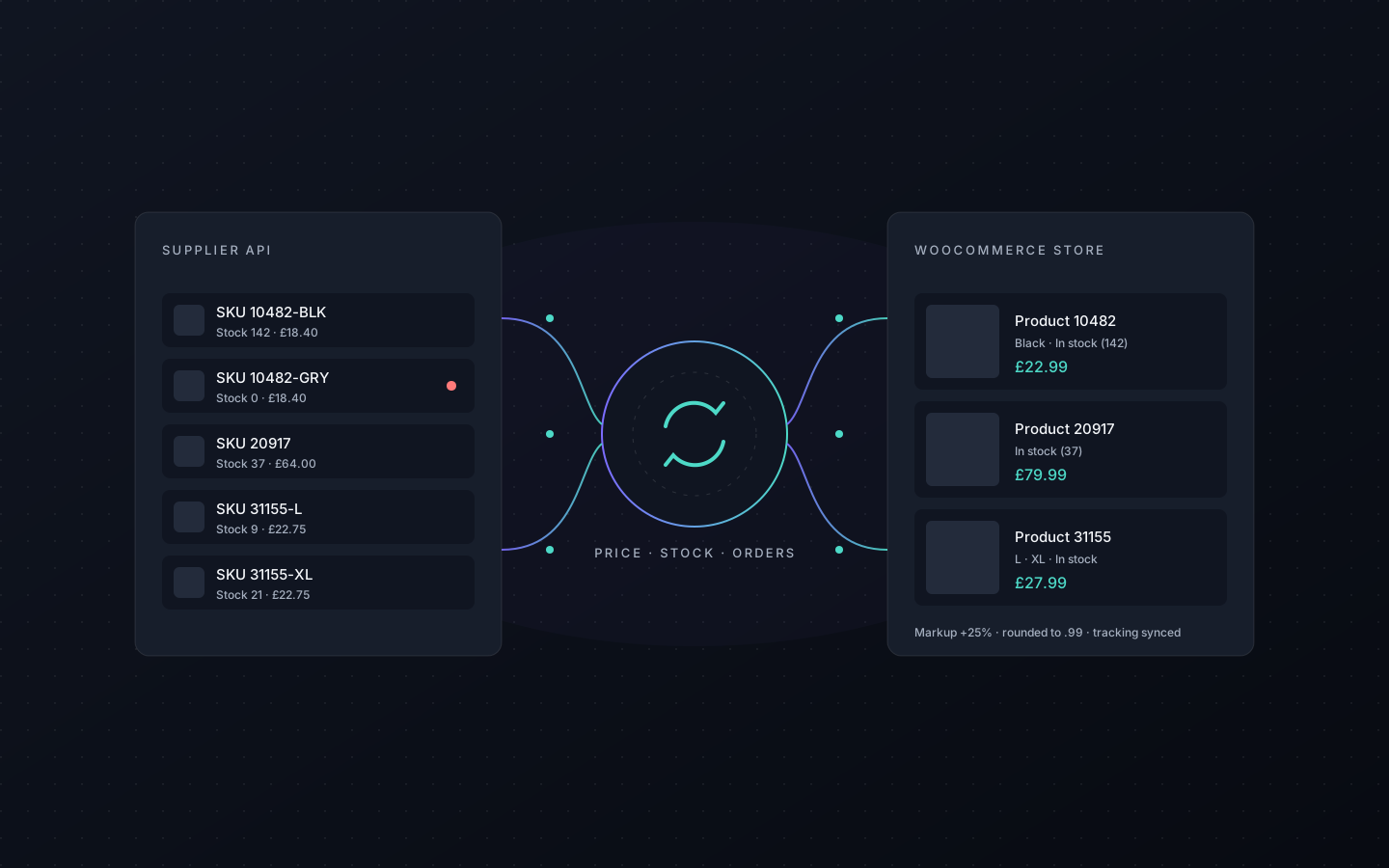
WooCommerce runs on WordPress, which means the whole site, content and store, is one system you own. Anything can be modelled with custom fields and code, plugins are plentiful, and there is no platform fee. The trade-off is responsibility: hosting, updates, backups and security are yours or your agency's, and a store built from too many plugins becomes slow and fragile. A custom theme and a small, chosen set of plugins is the version of WooCommerce that works well; our Price & Stock Sync plugin is the kind of purpose-built integration that keeps a WooCommerce store lean.
- Choose it when: content is central, the catalogue is unusual, you integrate with suppliers or systems, or you want full ownership.
- Think twice when: nobody will own maintenance, or you expect to rely on dozens of plugins.
When a custom or headless build is justified
A custom build, typically Next.js on the front with a headless commerce or CMS backend, gives complete control over performance, design and functionality. It is the right choice when the shopping experience itself is the product (configurators, calculators, complex bundles), when the catalogue cannot be expressed in a standard platform, or when performance at scale is a commercial requirement. It costs more to build and needs a development partner to maintain. For most small stores it is more than they need; for a few it is the only thing that works.
The questions that decide it
- Who will edit products and content day to day, and how technical are they?
- How many products and variants, and how unusual is the data?
- What must the store integrate with: suppliers, marketplaces, accounting, fulfilment?
- What is the realistic monthly budget for platform, apps, hosting and maintenance combined?
- Is there anything in the buying experience a standard theme cannot do?
Answer those honestly and the platform usually chooses itself. If two still fit, pick the one your team can run, because an under-maintained store on the "better" platform does worse than a well-run store on the simpler one.
A note on marketplace-first brands
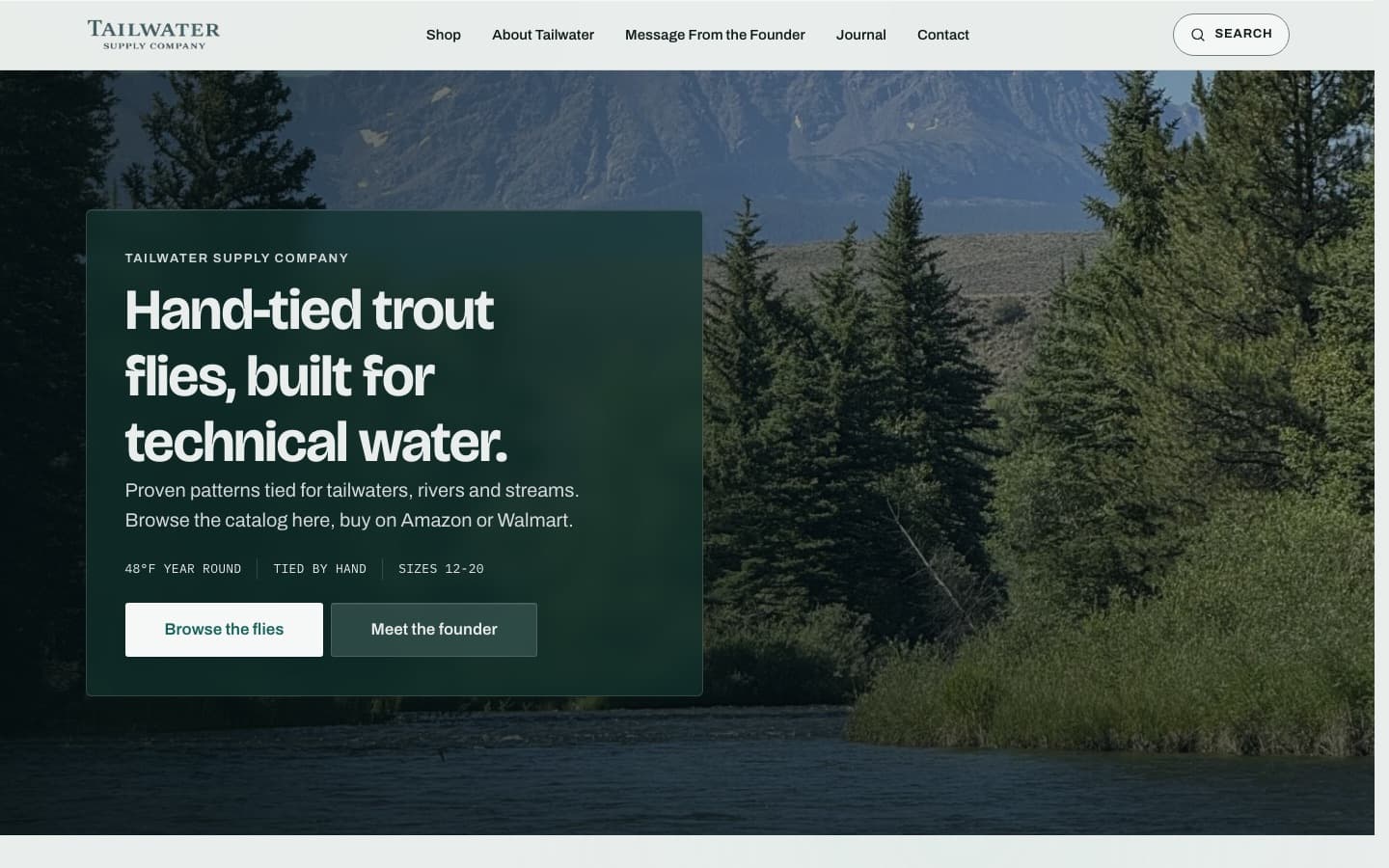
If most of your sales are on Amazon or other marketplaces, a brand website does not have to carry checkout at all. A catalogue-first site that explains the range and links each product to its marketplace listing can be the right first step; the Tailwater Supply case study is an example. It keeps the website simple while the brand builds a home it owns.
Whichever way you lean, our website development page explains how we approach each platform, and this checklist covers what to settle before the build starts.
Key takeaways
- Shopify: simplicity and predictable costs, less control.
- WooCommerce: ownership and flexibility, you carry maintenance.
- Custom or headless: only when the platforms cannot do what the business needs.
- Decide by who edits it, catalogue complexity, integrations and total monthly cost.
- Marketplace-first brands can start with a catalogue site that links to listings.
Frequently asked questions
Is Shopify or WooCommerce cheaper for a UK store?
It depends on volume and apps. Shopify has a subscription plus app and payment fees; WooCommerce has no platform fee but you pay for hosting, premium plugins and maintenance time. Compare the total monthly cost for your expected set-up rather than the headline price.
Can I move from Shopify to WooCommerce later, or the reverse?
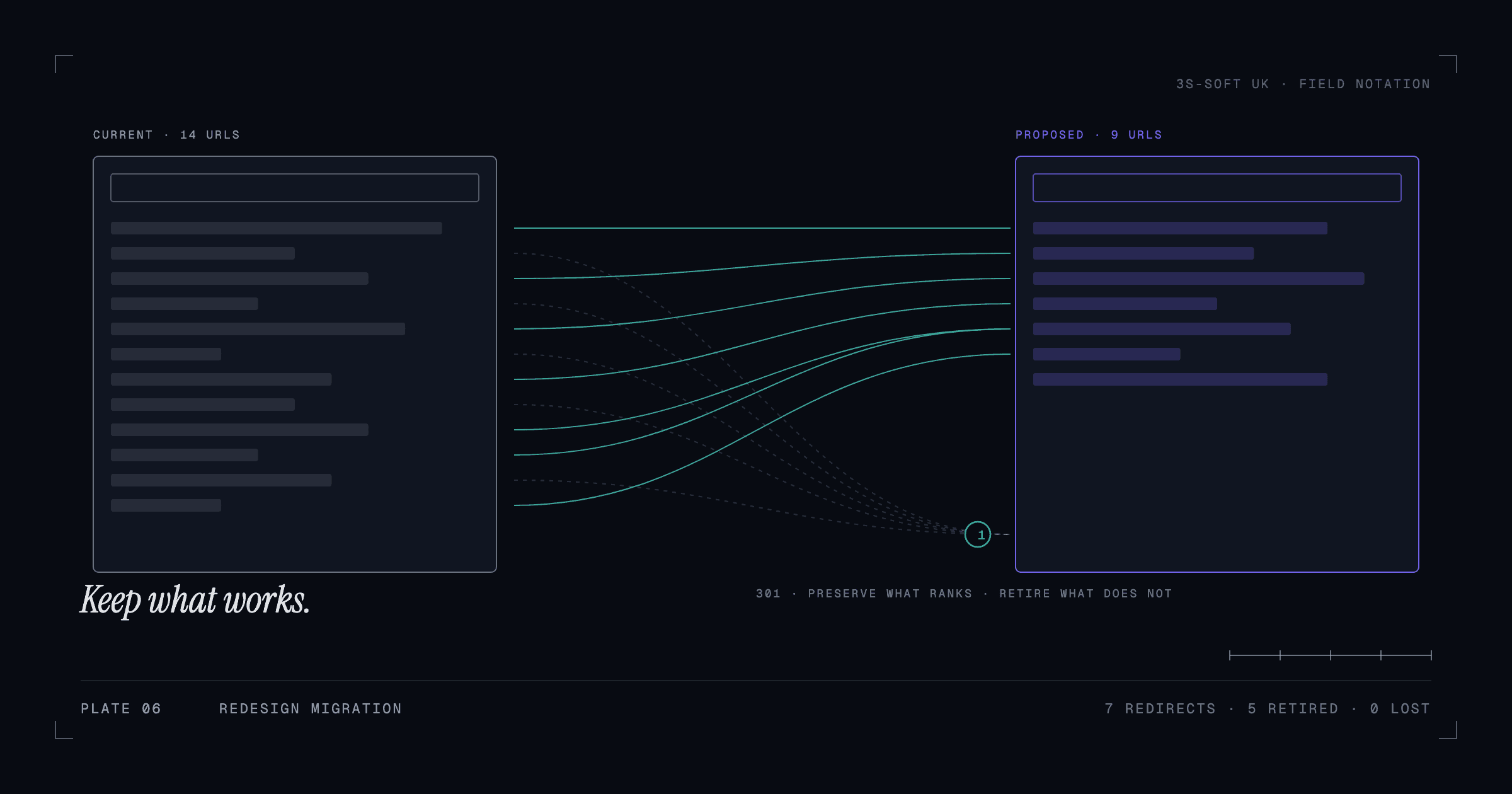
Yes. Products, customers and orders can be migrated, and URLs redirected. It is a project with some risk to search visibility, so it is worth choosing carefully the first time.
Do I need a custom build to have a fast store?
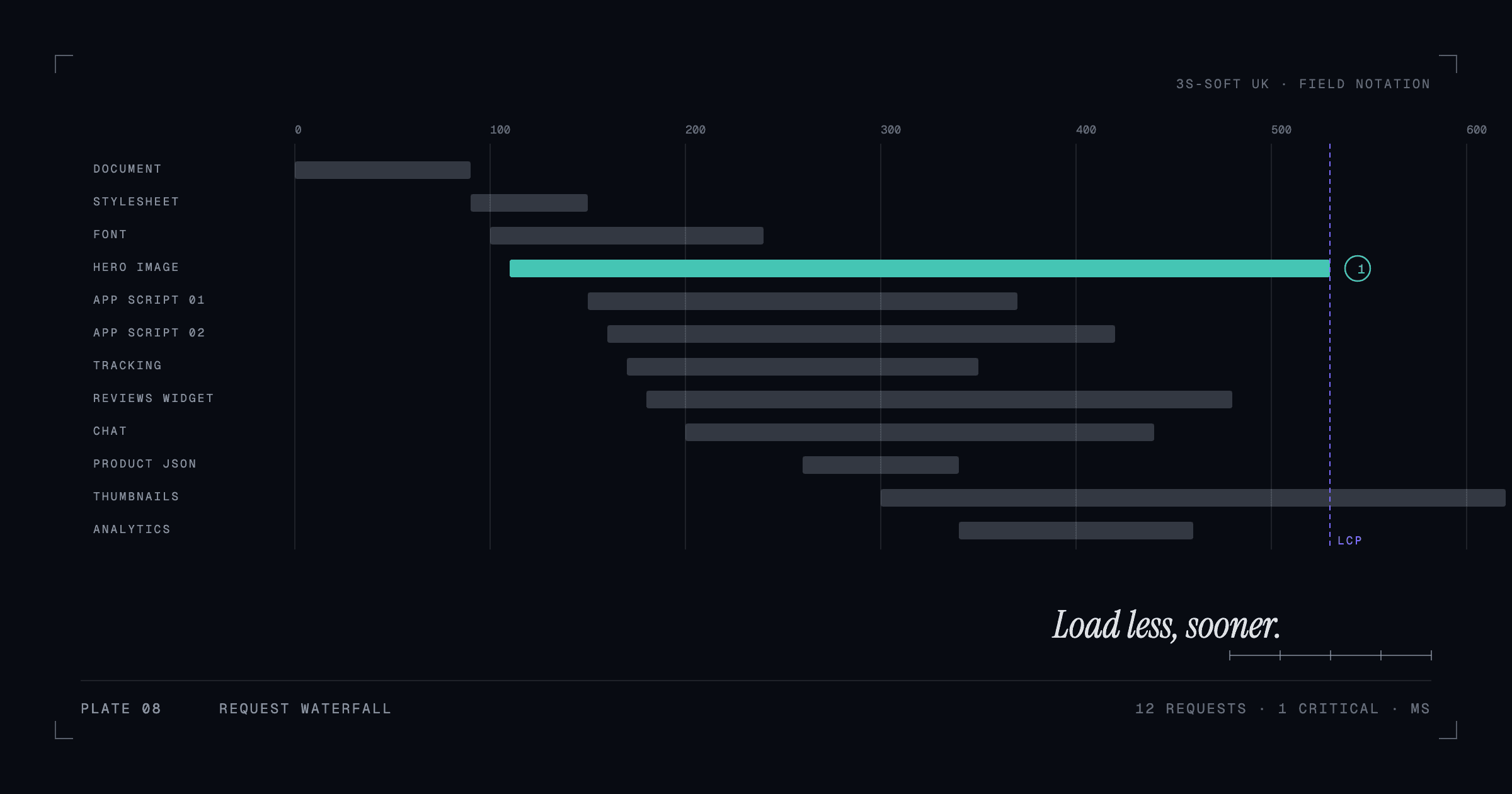
No. A well-built Shopify or WooCommerce store with optimised images, few apps and a lean theme can score well on Core Web Vitals. Custom builds give more control over performance but are not required for a fast site.
What is headless commerce?
A set-up where the storefront (often built with a framework such as Next.js) is separate from the commerce backend that manages products, carts and checkout. It gives full control over the front end at the cost of more development and maintenance.
How we can help
- E-commerce websites
Online stores and Shopify storefronts built with the catalogue, performance and checkout experience in mind.
- WordPress development and customisation
Custom WordPress themes, plugins and integrations, built to be fast and editable.
- Next.js and React development
Modern web applications and marketing sites built with React and Next.js for performance and flexibility.